The library
414 articles across Financial Literacy and Economic Intelligence — shuffled fresh each visit.

Adverse Selection: How Information Gaps Attract the Wrong Participants
Adverse selection occurs when one party's inability to observe another's characteristics before a transaction causes the worse-than-average participants to…
- Adverse selection arises from asymmetric information before a transaction — the less-informed party cannot distinguish high-quality from low-quality participants
- Insurance markets are the canonical example: people who know they are high-risk disproportionately seek coverage, raising costs for everyone
- Left uncorrected, adverse selection leads to a death spiral: prices rise to reflect higher-risk participants, lower-risk participants drop out, prices rise further, and the market unravels

Life Insurance
Term life insurance provides affordable death benefit protection for a defined period and is the right choice for most families. Whole life insurance is…
Moral Hazard: When Being Protected Changes How Carefully You Behave
Moral hazard is the change in behavior that happens once you are shielded from risk. It shapes insurance design, bank regulation, and policy fine print.

Healthcare as a Market: Why the Economics of Medicine Break Every Standard Model
U.S. health spending hit $5.3 trillion in 2024. Three features break the standard market: asymmetric information, third-party payment, and inelastic demand.

When a Single Accident Can Wipe Out Your Savings: Why Property and Liability Insurance Matters
Property and liability insurance protect against the most common financial catastrophes—car accidents, home damage, lawsuits—but most people carry dangerously…

The Market for Lemons: How Asymmetric Information Unravels Markets
George Akerlof's 'market for lemons' shows how, when buyers cannot tell good from bad, average pricing drives quality out until only the lemons remain.

Moral Hazard: When Insurance Changes Behavior
Moral hazard occurs when one party takes more risk because another party bears the cost of that risk.

How Insurance Works: Converting Catastrophe Into Predictability
Insurance converts unpredictable catastrophic losses into predictable premiums by pooling risk across large groups. Understand actuarial pricing, deductibles,…

Disability Insurance: Protecting Your Most Valuable Asset
Your ability to earn income is worth millions — yet 4 in 5 workers have no long-term disability coverage. Learn how disability insurance works, who needs it,…
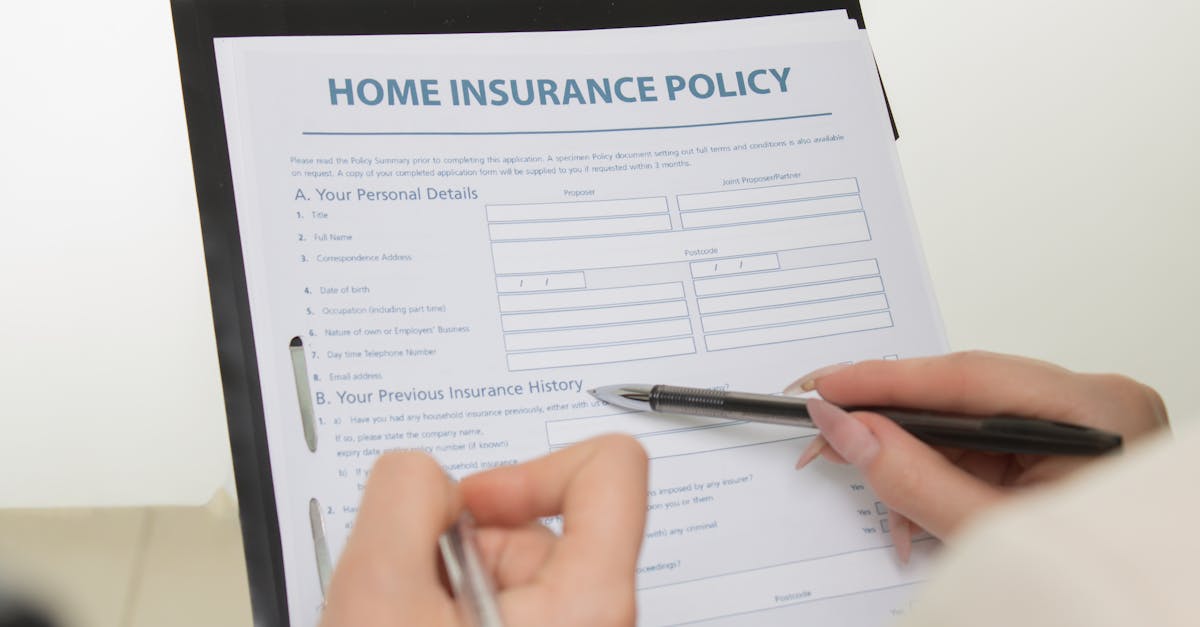
Health Insurance Basics: Plan Types, Deductibles, and Coverage Costs
Understand HMO, PPO, and HSA plans—how deductibles work, what copays mean, and how to choose coverage that balances cost and care.