◆ ARTICLES
Money, from the ground up
How money and the economy actually work: the mechanics, the history, and the data, broken down into managing your money, growing your wealth, and the forces that move them.
◆ PERSONAL FINANCE
Your money, your decisions
The personal side: cash flow, credit, big purchases, and the habits behind them.
Explore Personal Finance →
Good Debt vs. Bad Debt
Not all debt is equal. Learn which debts build wealth and which destroy it.

What Is the Framing Effect?
The influence that how information is presented has on decision-making. Learn how framing manipulates perception without changing reality.

What Is Confirmation Bias?
The tendency to seek information confirming existing beliefs while dismissing contradictory evidence. Learn how confirmation bias entraps investors.
◆ INVESTING & WEALTH
Make your money work
The growth side: investing, markets, real estate, retirement, and taxes, built up in order.
Explore Investing →
ESG Performance: What the Research Actually Shows
Understand what decades of research reveals about ESG investing performance, how sector composition drives returns, and how to evaluate ESG funds honestly.

What Is an Expense Ratio?
The percentage of a fund's assets charged annually for operating costs. A critical factor in long-term investment returns.

Financial Independence: Achieving FI and Retiring Early
The FIRE movement: calculating your FI number, safe withdrawal rates, and the mindset shifts required to escape the rat race.
◆ THE ECONOMY
The forces behind every dollar
The system side: scarcity, prices, firms and markets, inflation, and the history that shaped them.
Explore Economics →
Short Run, Long Run: Why the Same Firm Acts Completely Differently Over Time
One question unlocks how any firm responds to a demand shock: which inputs can it actually change right now? The answer is never the same twice.
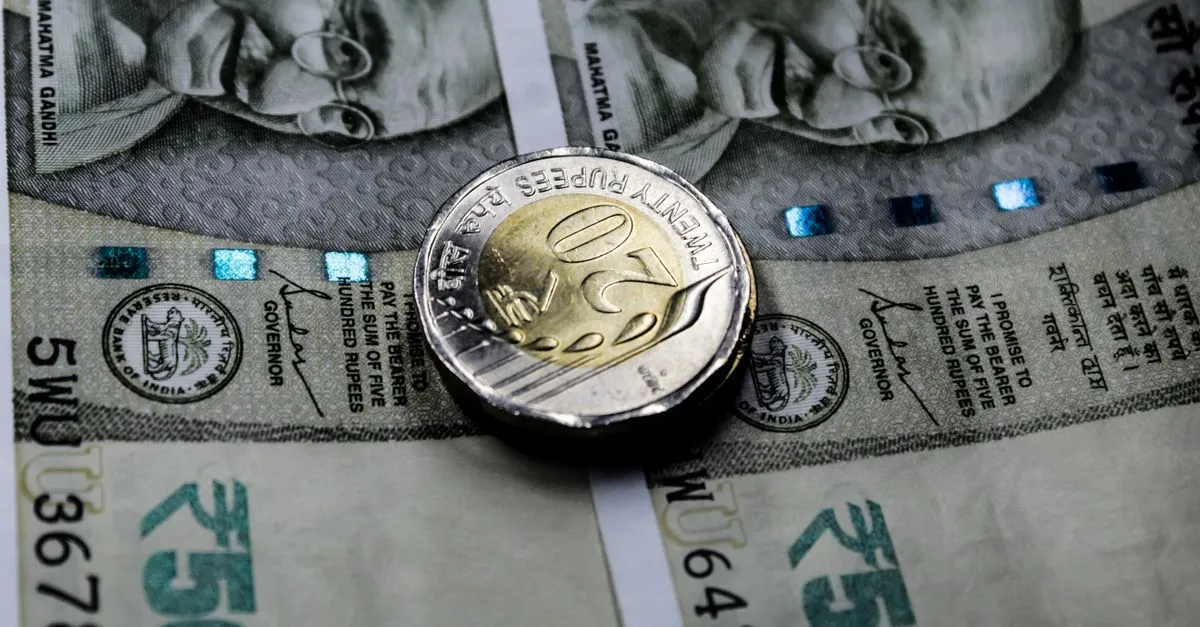
What Is a Bond?
A loan you give to a company or government, paying interest. Bonds are lower-risk, lower-return investments than stocks.

What Is the Federal Reserve?
The central bank of the United States, responsible for monetary policy, regulating banks, and maintaining financial stability. Learn its role in the economy.