◆ THE ECONOMY
Economic Foundations
The economic way of thinking — scarcity, prices, choice, and how markets coordinate.
53 articles
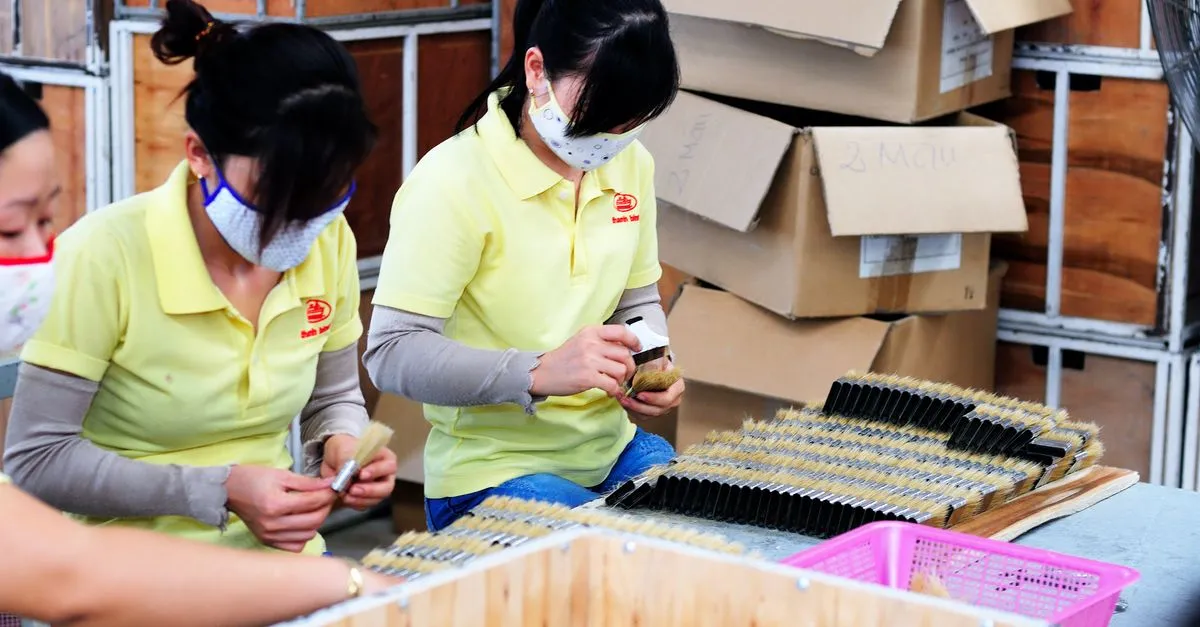 ◆ THE COVER STORYFactors of Production: The Four Inputs Behind Everything MadeFactors of production are the inputs used to create goods and services: land, labor, capital, and entrepreneurship.Read the breakdown →
Deep Dives

◆ ECONOMICS FUNDAMENTALS
Thinking at the Margin: The One-More-Unit Rule That Optimizes Every Decision
Marginal thinking means comparing the benefit of one more unit to its cost. The rule — optimize where MB equals MC — applies to study hours, production runs,…

◆ SUPPLY & DEMAND
Price Elasticity of Supply: Why Markets Don't React Overnight
PES measures how quickly producers can raise output when prices rise. Time horizon is the dominant factor — and housing and oil show exactly why it matters.

◆ CONSUMER THEORY
Inside Indifference Curves: What Consumer Preferences Look Like on a Graph
An indifference curve maps every combination of two goods that leaves you equally satisfied. Take it apart piece by piece and consumer choice becomes a picture.

◆ SUPPLY & DEMAND
Price Elasticity of Demand: Measuring How Much Buyers Actually Care About Price
PED measures how much quantity falls when price rises. Learn the formula, the midpoint method, what drives elasticity, and why it determines every pricing and…

◆ SUPPLY & DEMAND
The Law of Supply: Why Producers Offer More When the Price Rises
The law of supply: quantity offered rises with price. A clear anatomy of the curve, the six determinants that shift it, and why the time horizon changes everything.
◆ INTERNATIONAL TRADE
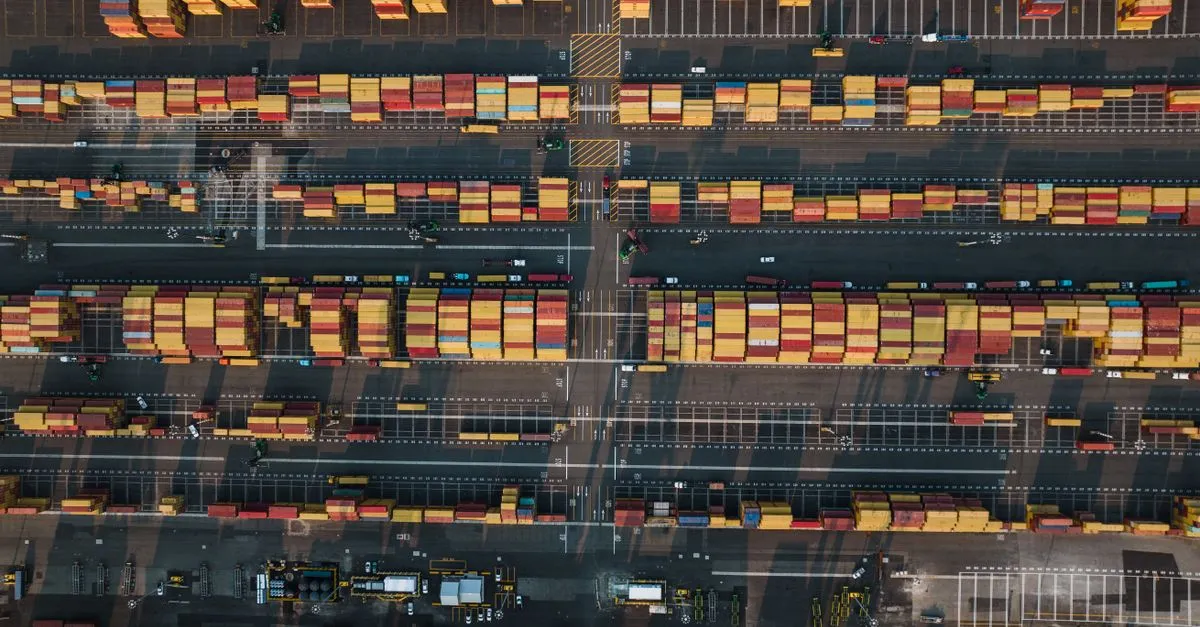
Comparative Advantage: The Principle Behind Every Trade Relationship on Earth
Comparative advantage explains why two parties gain from trade even when one is better at everything. The math is opportunity cost, at every scale.

◆ CONSUMER THEORY
The Budget Constraint: Where Your Preferences Meet Reality
Preferences are free; affordability is not. The budget constraint is the line where your income and prices decide which wants become real choices.

◆ SUPPLY & DEMAND
The Law of Demand: Why Price and Quantity Move in Opposite Directions
The law of demand states that as price rises, quantity demanded falls, but the two mechanisms behind that relationship are more instructive than the rule itself.

◆ BEHAVIORAL FINANCE
Where Classical Economics Breaks Down: The Rise of Behavioral Economics
Classical economics assumes rational calculators. Behavioral economics documents the systematic ways people aren't — and why that gap costs you money.
Quick Answers
Producer Surplus: The Value Sellers Capture Beyond Their Minimum Price
Producer surplus is the difference between the price a seller receives and the minimum price they would have accepted.
Read more →Trade-Off: The Give-and-Take Behind Every Economic Choice
A trade-off is the exchange of one benefit for another when resources are limited. Recognizing trade-offs is the starting point of any rigorous economic…
Read more →Budget Constraint: The Line That Defines What You Can Afford
A budget constraint shows all the combinations of goods a consumer can afford given their income and prices.
Read more →Consumer Surplus: The Hidden Value Markets Create
Consumer surplus is the difference between what a buyer is willing to pay and what they actually pay.
Read more →Surplus: When Supply Exceeds Demand and What Happens Next
A surplus occurs when the quantity supplied at a given price exceeds the quantity demanded.
Read more →Incentive: The Force That Shapes Every Economic Behavior
An incentive is anything that motivates a person or organization to act — a reward for doing something or a penalty for not doing it.
Read more →Efficiency: Getting the Most Value from Available Resources
Economic efficiency means producing the maximum possible value from available resources with no waste.
Read more →Comparative Advantage: Why Countries Trade Even When One Is Better at Everything
Comparative advantage is the ability to produce a good at a lower opportunity cost than a trading partner.
Read more →The Shortage Problem: When Demand Outruns Supply
A shortage occurs when quantity demanded at a given price exceeds quantity supplied. Free markets resolve shortages through rising prices; price ceilings lock…
Read more →