On this page
A warehouse manager knows exactly what happens when she adds workers to her team. The first worker handles receiving. The second adds order fulfillment. By the tenth worker, tasks are specialized and output per worker is rising. By the twentieth, the warehouse is crowded, workers get in each other's way, and each new hire adds less than the last. That whole arc — from rising to falling marginal productivity as the team expands — is embedded in the production function.
The setup
A production function is the technical relationship between inputs and maximum possible output:
Q = f(K, L)
Where Q is output, K is capital (equipment, buildings, technology), and L is labor. The production function describes the maximum output achievable from any input combination given current technology — it is a frontier of productive possibilities, not an average.
Production functions encode two of the most important regularities in economics:
Diminishing returns in the short run. When capital is fixed (short-run constraint), adding more labor eventually yields smaller and smaller additions to output. The first worker added to a factory might double output; the hundredth worker barely changes it because the capital is fully utilized.
Returns to scale in the long run. When all inputs can be varied (long run), the production function shows whether doubling all inputs more than doubles output (increasing returns to scale), exactly doubles it (constant returns), or less than doubles it (decreasing returns).
What happens — and why
The production function is the technical foundation beneath cost curves. Because more inputs cost money, the shape of the production function determines the shape of the total cost curve — which in turn determines the marginal and average cost curves that firms use to make output and pricing decisions.
Technological progress shifts the production function upward: the same inputs produce more output. The Bureau of Labor Statistics Multifactor Productivity data tracks this shift over time — measuring how much of GDP growth is attributable to productivity improvements (technological shifts in the production function) rather than simply using more inputs.
Where you see it in the wild
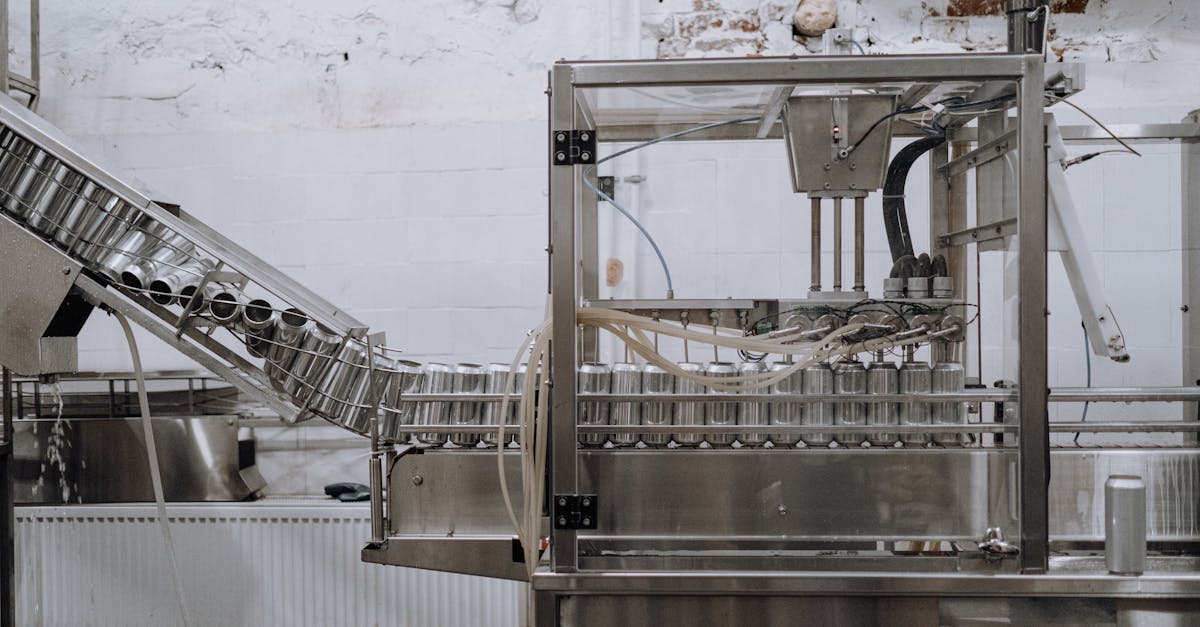
Manufacturing provides the clearest production function examples. An automobile assembly plant has a fixed capital footprint (floor space, assembly lines, robots) in the short run. Adding more workers increases output initially — each new worker takes on tasks, specializes, and utilizes spare capacity. Eventually, with the capital fixed, additional workers crowd each other and output growth slows. This is short-run diminishing returns made tangible.
The BEA's industry productivity accounts track output per unit of combined inputs (total factor productivity) — the empirical equivalent of measuring how efficiently production functions are being utilized across the economy.
The fix (or why it's hard to fix)
Diminishing returns in production is not an engineering problem to be solved — it is a fundamental consequence of applying more of one factor (labor) to a fixed quantity of another (capital). The fix is to expand capital in proportion — move to the long run — which is what firms do when they invest. Capital investment expands the production frontier, allowing more labor to be productively employed before diminishing returns set in.