
Skip to content
Scypion Finance
  • Articles
  • The Library
  • Glossary
  • Tools
  • Military
  • Videos
/
Scypion Finance

Data over opinion. Evidence over emotion.

YT𝕏∿

About

  • Company
  • Leadership
  • Contact
  • Editorial Standards

Legal

  • Terms of Use
  • Privacy Policy
  • Cookie Policy
  • Disclaimer

Scypion Finance is for educational and informational purposes only and is not financial, investment, tax, or legal advice. Reading this site does not create an advisory relationship. Markets carry risk; consult a licensed professional before acting on anything you read here.

Accessibility
© 2026 Scypion Finance. Founded by Erajah Scypion.Your money, and the forces that move it.

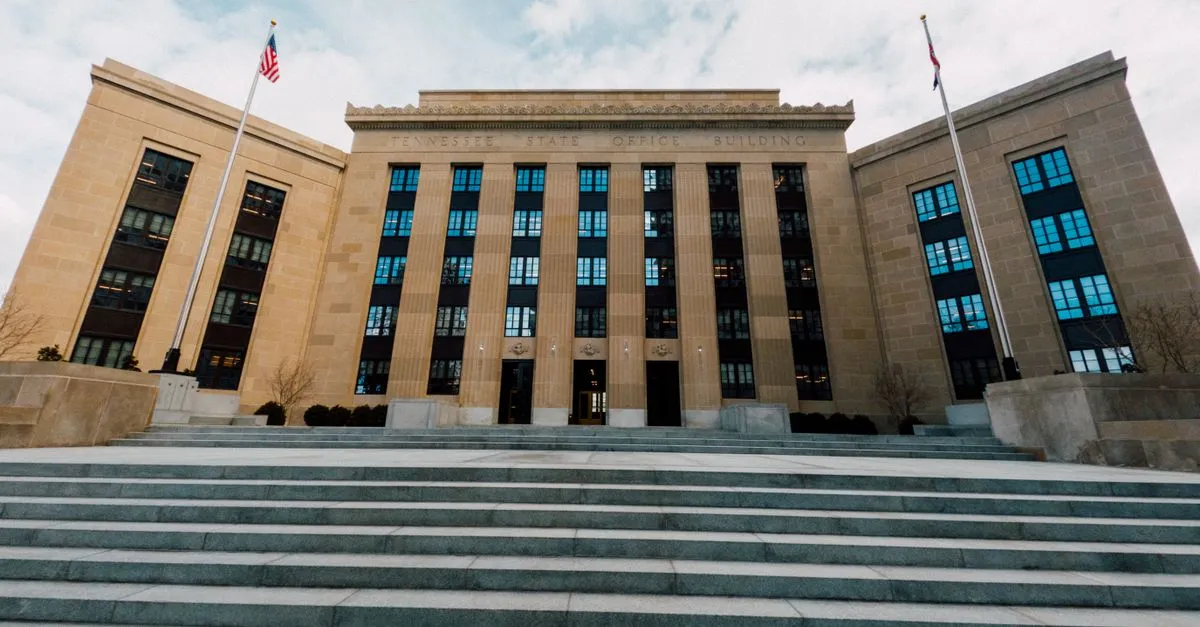
Photo by Afterglow.raw on Pexels

Home›The Economy›How Money Works›Fed & Monetary Policy

What Is the Federal Reserve?

Erajah Scypion
Erajah ScypionFounder, Scypion Finance
3 sources4 min readPublished May 1, 2026
◆ Key Takeaways
  • The Federal Reserve is the central bank of the United States, independent from the executive and legislative branches
  • It has three primary responsibilities: monetary policy (controlling interest rates and money supply), bank regulation, and financial system stability
  • The Fed is led by a Chair (appointed by the President, confirmed by the Senate) and a Board of Governors, with 12 regional Federal Reserve banks
  • The Fed's target inflation rate is 2%, and it tries to balance inflation control with maximum employment
  • The Fed is independent by design so political considerations don't override sound monetary policy
On this page
  • Structure and Independence
  • The Three Core Responsibilities
  • The Dual Mandate
  • How the Fed Creates Money
  • Tools of Monetary Policy
  • The 2020 Response
  • Fed Independence and Criticism
  • The Impact on Your Financial Life

The Federal Reserve (the Fed) is the central bank of the United States, responsible for implementing monetary policy, regulating and supervising banks, and maintaining the stability of the financial system.

Structure and Independence

The Federal Reserve System consists of:

The Board of Governors: Seven members including the Chair, appointed by the President and confirmed by the Senate. The Chair serves a 4-year term renewable once.

The Federal Open Market Committee (FOMC): Consists of the seven Board members plus five presidents of the 12 regional Federal Reserve banks. This committee meets eight times annually to set monetary policy.

12 Regional Federal Reserve Banks: Located throughout the country (New York, Boston, Philadelphia, Cleveland, Richmond, Atlanta, Chicago, St. Louis, Minneapolis, Kansas City, Dallas, and San Francisco). These regional banks interact with local banks and businesses.

The Fed's independence is a critical feature of U.S. governance. Congress created it but removed direct political control so monetary policy decisions are based on economic data, not political pressure.

The Three Core Responsibilities

1. Monetary Policy

The Fed controls the money supply and interest rates to achieve price stability (low, stable inflation) and maximum employment. Its primary tool is setting the federal funds rate, which influences all other interest rates in the economy.

2. Bank Regulation and Supervision

The Fed regulates and supervises banks to ensure they're sound and not taking excessive risks. This includes:

  • Capital requirements (banks must hold enough equity)
  • Stress tests (testing banks' ability to survive financial crises)
  • Consumer protection rules (lending practices, disclosure requirements)

3. Financial System Stability

The Fed acts as lender of last resort during financial crises. During the 2008 financial crisis, the Fed provided emergency lending to prevent total system collapse. The Fed also oversees payment systems and works to prevent systemic failures.

The Dual Mandate

The Federal Reserve has a "dual mandate" set by Congress: price stability and maximum employment.), these goals sometimes conflict. When inflation is high, the Fed must raise rates, which slows growth and increases unemployment. When unemployment is high, the Fed wants to lower rates, which can increase inflation.

The Fed's target inflation rate is 2% annually (measured by the Personal Consumption Expenditures Price Index). The Fed tries to keep inflation near this target while maximizing employment—a difficult balance.

How the Fed Creates Money

Contrary to popular belief, the Fed doesn't print physical cash (that's the Bureau of Engraving and Printing). Instead, the Fed creates electronic money through "open market operations."

When the Fed wants to increase money supply:

  1. It buys government securities (Treasury bonds) from banks
  2. It credits the banks' reserve accounts with new digital money
  3. Banks now have more reserves and can lend more
  4. This increases the money supply

Conversely, the Fed can reduce money supply by selling securities and reducing reserve balances.

During Quantitative Easing (QE), the Fed buys massive quantities of government securities and mortgage-backed securities, flooding the system with money. The Fed did this during the 2008 financial crisis and again in 2020.

Tools of Monetary Policy

Open Market Operations (OMO): Buying and selling government securities to influence money supply

Discount Rate: The interest rate the Fed charges banks for emergency loans

Reserve Requirements: The percentage of deposits banks must hold in reserves (the Fed reduced this to 0% in 2020)

Interest on Reserves: The Fed pays interest on banks' reserve balances, influencing how much banks are willing to lend

The 2020 Response

During the COVID-19 pandemic, the Fed responded aggressively:

  • Lowered the federal funds rate to 0% (March 2020)
  • Launched massive QE, buying $120+ billion daily of government and mortgage securities
  • Lent to businesses through special emergency programs
  • Created swap lines with other central banks

These actions prevented financial collapse but also contributed to inflation later. By 2022, the Fed was raising rates aggressively to combat 8% inflation.

Fed Independence and Criticism

The Fed's independence is essential but controversial. Supporters argue it prevents political short-termism from overriding sound policy. Critics argue unelected officials shouldn't control monetary policy without direct accountability.

Congress can change the Fed's mandate, remove the Chair, or alter its structure, but the Fed's day-to-day decisions are independent from political pressure.

The Impact on Your Financial Life

The Fed's decisions affect you directly:

  • Your mortgage rate (Fed policy influences mortgage rates)
  • Your savings yields (Fed policy influences what banks pay on savings)
  • Your credit card APR (Fed policy influences the prime rate, which flows to credit cards)
  • Your employment prospects (Fed policy affects overall economic growth)

Understanding Fed policy helps you understand economic cycles and make better financial decisions.


◆ THE GUIDEThe Best Economics Books for Non-EconomistsThe best economics books for people who never took the class — accessible guides from Wheelan and Sowell, plus Freakonomics and the source texts from Smith and Friedman.See our picks →

◆ Sources

  1. Federal Reserve Official Website
  2. Federal Reserve — Structure of the Federal Reserve System
  3. Federal Reserve — Credit and Liquidity Programs and the Balance Sheet
On this page
  • Structure and Independence
  • The Three Core Responsibilities
  • The Dual Mandate
  • How the Fed Creates Money
  • Tools of Monetary Policy
  • The 2020 Response
  • Fed Independence and Criticism
  • The Impact on Your Financial Life
◆ Related reading
  • What Is Monetary Policy?
  • How the Fed Actually Sets Interest Rates Now
  • What Is an IPO?
  • 6 Cognitive Biases That Are Silently Destroying Your Finances
All Fed & Monetary Policy →
◆ SHARE
Erajah Scypion
Erajah Scypion
Founder, Scypion Finance

I got interested in economics the hard way, by not understanding what was happening around me. I'd read an explanation, nod along, and walk away knowing no more than when I started. After enough of that, I stopped looking for the resource I wanted and started writing it. My background isn't Wall Street. I've spent the last eleven years in the U.S. Navy, and that's where I learned the thing this whole site runs on: Any system — a battalion, a budget, an economy — can be understood if someone walks you through it one step at a time. The Navy also gave me the three words I hold the work to: honor, courage, commitment. Here they mean every claim traces back to a source you can check yourself, the clear explanation gets chosen over the easy one, and the reader comes before anyone paying the bills. Scypion Finance is where that work gets published: sourced explanations of money and the economy, written to be understood. Start wherever your question is.

View full profile →

More in Fed & Monetary Policy

All Fed & Monetary Policy →
◆ FED & MONETARY POLICY

What Is Basis Points?

A unit of measurement for interest rates and yields, where 100 basis points equals 1%. Learn why basis points matter in financial markets and loan comparisons.

4 min read
Read →
◆ FED & MONETARY POLICY

What Is Quantitative Easing?

A monetary policy tool where the central bank buys large quantities of government and mortgage securities to inject money into the economy when interest rates…

5 min read
Read →
◆ FED & MONETARY POLICY

What Is the Federal Funds Rate?

The interest rate at which banks lend reserve balances overnight. Learn how the Fed controls this rate and its impact on the entire economy.

5 min read
Read →
◆ FED & MONETARY POLICY

What does the Federal Reserve actually do?

The Fed steers the economy through interest rates, bank supervision, and emergency lending. Here is how each lever works and where it reaches your wallet.

9 min read
Read →

◆ THE NEWSLETTER

Money, made clear

Personal finance and the economy, broken down: numbers shown, every claim sourced.

Only when it's worth your time. No spam, unsubscribe anytime.