Tax & Retirement
29 articles
 Featured
What Is an HSA?
Health Savings Account—a tax-advantaged account for medical expenses, with triple tax benefits (deductible, tax-free growth, tax-free withdrawals).
Read more →Deep Dives
20 articles
The 401(k): Employer Retirement Plans and Matching Benefits
How 401(k) plans work, employer matching mechanics, contribution limits, and why turning down free matching money is a financial mistake.

Roth vs. Traditional IRA: Tax Treatment and Long-Term Strategy
Comparing Traditional and Roth IRAs: pre-tax vs. post-tax contributions, tax-free growth, withdrawal rules, and which is right for you.

Employer Matching: How to Maximize Free Money in Your Retirement Plan
Understanding employer matching benefits, vesting schedules, and maximizing free money through optimal contribution strategies.

How Much Money Do You Need to Retire? Calculating Your Retirement Number
Calculating your retirement number using the 4% rule, accounting for inflation, and adjusting for lifestyle. Actionable retirement planning framework.

How Income Tax Works: Understanding the US Tax System
Comprehensive guide to US income taxation: brackets, marginal vs. effective rates, deductions, and tax calculation mechanics.

Tax-Advantaged Accounts: Maximizing Every Dollar of Tax-Free Growth
Comprehensive guide to all tax-advantaged accounts: 401k, IRA (Traditional and Roth), HSA, 529, and ESA. Contribution limits and strategy.

Deductions and Credits: Understanding the Difference and Maximizing Tax Breaks
Deductions reduce taxable income, credits reduce taxes dollar-for-dollar. Comprehensive guide to common deductions and credits with examples.

Capital Gains Tax: Understanding Long-Term vs. Short-Term Taxation
How capital gains are taxed differently based on holding period, maximizing long-term gains rates, tax-loss harvesting, and avoiding wash sales.

Business Structures: LLC vs. S-Corp vs. Sole Proprietor—Tax and Liability Implications
How different business structures affect taxes, personal liability protection, and paperwork—choose the right one for your situation.
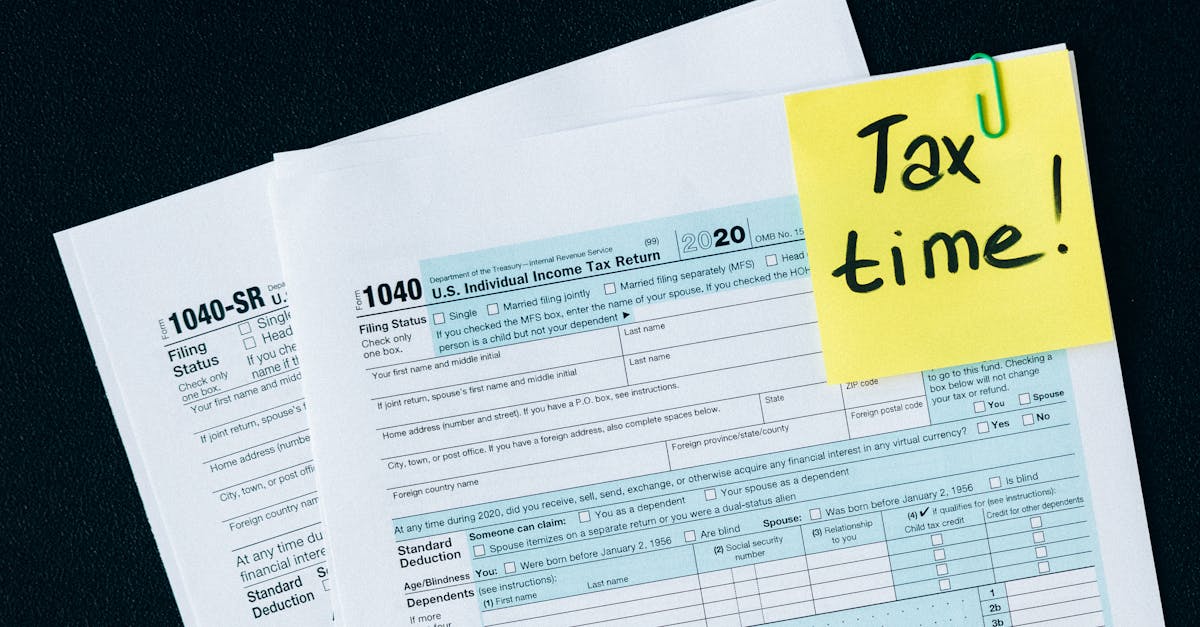
Self-Employment Taxes: Calculation, Quarterly Estimates, and the Deductible Portion
How self-employment tax is calculated, when quarterly estimates are due, and how much of SE tax you can deduct from income.

Business Banking and Bookkeeping: The Foundation of Self-Employment
Separate business and personal finances with a dedicated account and simple bookkeeping system to protect liability, simplify taxes, and avoid costly…

Self-Employed Retirement Plans: SEP-IRA vs. Solo 401k Coverage Options and Limits
Compare SEP-IRA, Solo 401k, and other retirement options for self-employed: contribution limits, tax savings, and which fits your income level.

Managing Irregular Income: How to Build Financial Stability Without a Steady Paycheck
Learn how to manage variable income from freelancing or self-employment by separating personal spending from business earnings, reserving taxes upfront, and…

Tax Planning vs. Tax Preparation: Year-Round Strategy vs. Last-Minute Filing
The difference between proactive tax planning (reducing taxes throughout the year) and reactive tax prep (filing at the last minute)—and why planning saves…

Backdoor Roth Conversions: High-Income Earners' Secret to Tax-Free Growth
The backdoor Roth is a legal IRS-endorsed strategy that lets high earners fund Roth IRAs despite income limits by converting after-tax funds from traditional…

Charitable Giving Strategies: Tax-Advantaged Ways to Amplify Your Impact
Strategic charitable giving through donor-advised funds, appreciated assets, and qualified distributions can amplify impact while cutting taxes—here's how.

Estate and Gift Tax Planning: A Working Guide to Passing Wealth Without Waste
Understand estate and gift tax planning: current exemptions, step-up in basis, trusts, and strategies to preserve wealth and honor your wishes.

How Taxes Actually Work on the Economy — From Your Paycheck to the Policy Debate
Taxes don't just move money — they change behavior, split burdens in ways Congress didn't intend, and create efficiency costs that grow faster than the rates.

How Income Tax Actually Works — Brackets, Deductions, and the Refund Myth
The most expensive tax misunderstanding in America — the belief that a raise can push you into a higher bracket and cost you money. Here's the truth.

The 401(k) Explained — Your Employer's Hidden Paycheck
The 401(k) is the most powerful wealth-building tool available to most workers — combining tax advantages, employer matching, and automation into one account.
Quick Answers
8 termsWhat Is a 401(k)? How It Works, Employer Match, and Common Mistakes
A 401(k) is a tax-advantaged, employer-sponsored retirement account. Learn how it works, how the match works, and the mistakes that cost real money.
Read more →What Is Effective Tax Rate?
The average tax rate you pay on all your income. Lower than marginal rate because lower-income dollars are taxed at lower rates.
Read more →What Is Marginal Tax Rate?
The tax rate paid on your last dollar of income. Understanding marginal rate is critical for financial planning.
Read more →What is a Roth IRA?
A Roth IRA grows and withdraws tax-free in retirement. Here's how it works, the 2026 limits, and who it's best for.
Read more →What Is a Tax Bracket?
Income ranges that are taxed at the same rate; you don't pay one rate on all income, but different rates on different income tiers.
Read more →What Is a Roth IRA?
A retirement account where you contribute after-tax dollars and withdraw tax-free. The most tax-efficient retirement vehicle.
Read more →What Is a Traditional IRA?
A retirement account where contributions are tax-deductible and withdrawals are taxed as ordinary income. Tax-deferred growth.
Read more →What Is Capital Gains Tax?
Tax on the profit from selling an asset that increased in value. Different rates apply based on holding period.
Read more →