Supply & Demand
Supply, demand, equilibrium, price signals, and elasticity.
30 articles
 Featured
The Total Revenue Test: The Fastest Way to Identify Demand Elasticity
The total revenue test uses the direction of revenue change after a price change to determine whether demand is elastic or inelastic — no elasticity formula…
Read more →Deep Dives
11 articles
The Law of Demand: Why Price and Quantity Move in Opposite Directions
The law of demand states that as price rises, quantity demanded falls — and the reasons behind that relationship are more interesting than the rule itself.

Inside the Supply Curve: What Each Part Actually Means
The law of supply: quantity offered rises with price. A part-by-part anatomy of the curve, the six determinants that shift it, and why the time horizon…

How Markets Find Their Price: Solving for Equilibrium
Where supply meets demand: step-by-step equilibrium math, a surplus/shortage table, and comparative statics showing exactly how curve shifts move price and…

What Actually Shifts Supply and Demand (And What Doesn't)
Five factors shift demand, five shift supply. Learn what actually moves entire curves — versus what simply moves quantity along them.
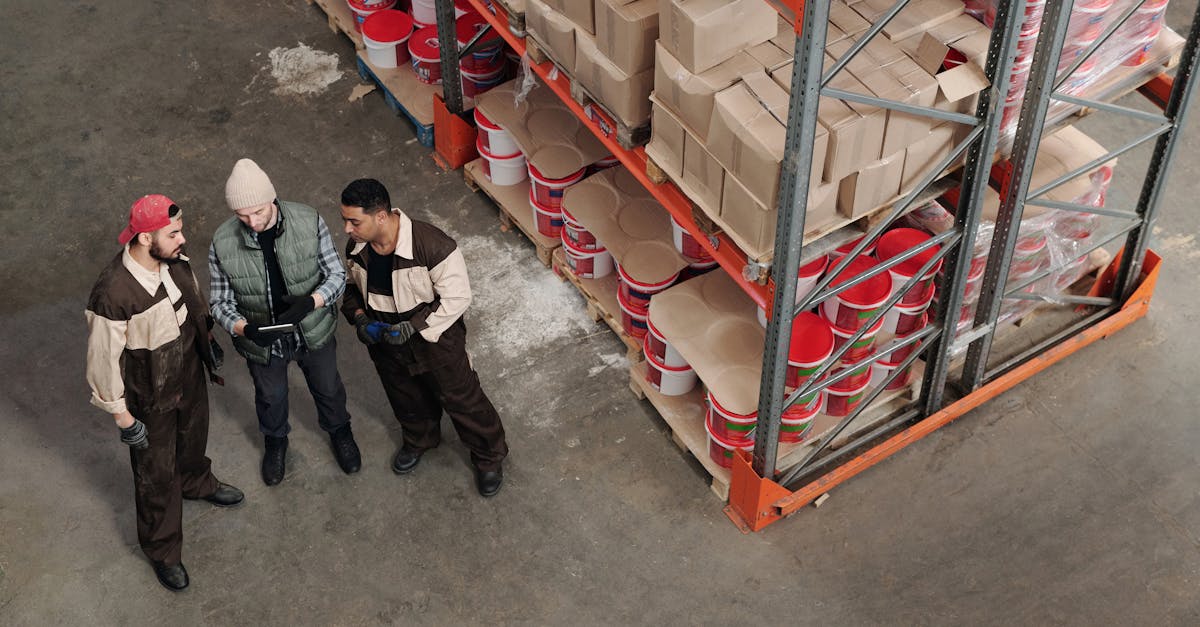
How Prices Carry Information: The Coordination System No One Designed
Prices do more than report costs — they aggregate dispersed knowledge and coordinate millions of strangers without a central director.

Price Elasticity of Demand: Measuring How Much Buyers Actually Care About Price
PED measures how much quantity falls when price rises. Learn the formula, the midpoint method, what drives elasticity, and why it determines every pricing and…

Elastic vs. Inelastic Demand: Two Markets, One Price Hike, Opposite Outcomes
Same price hike, opposite revenue results. Learn how elastic and inelastic demand differ, which real goods land on each side, and why every pricing and tax…

Income Elasticity and Cross-Price Elasticity: What Your Spending Reveals About Demand
YED and XED measure how demand shifts when income or a related good's price changes — with real data on food, luxury goods, and substitutes.

Price Elasticity of Supply: Why Markets Don't React Overnight
PES measures how quickly producers can raise output when prices rise. Time horizon is the dominant factor — and housing and oil show exactly why it matters.

How Elasticity Drives Pricing Decisions, Tax Policy, and Who Actually Pays
Elasticity determines whether a price increase raises or destroys revenue, which side of a market bears a tax, and how large the economic cost of that tax…

What Happens When You Cap Prices Below Equilibrium: Rent Control and Shortages
A price cap below the market-clearing price doesn't make a good cheaper for everyone — it creates a shortage. Rent control is the textbook case.
Quick Answers
18 termsPrice Signal: How Markets Communicate Without Anyone in Charge
A price signal is the information a price conveys to buyers and sellers about relative scarcity, value, and opportunity.
Read more →Substitutes and Complements: How Related Goods Move Together
Substitutes can replace each other — a price rise in one increases demand for the other. Complements are used together — a price rise in one decreases demand…
Read more →Normal vs. Inferior Goods: How Income Changes What You Buy
Normal goods see demand rise when income rises; inferior goods see demand fall. The distinction reveals how consumption patterns shift as living standards…
Read more →Price Ceiling: What Happens When Government Caps What Sellers Can Charge
A price ceiling is a legal maximum price below the market equilibrium. It protects buyers from high prices but creates shortages, non-price rationing, and…
↔ Also in Government InterventionRead more →Law of Demand: Why Higher Prices Mean Fewer Buyers
The law of demand states that, all else equal, as price rises the quantity demanded falls. It is one of the most robust empirical regularities in economics.
Read more →Derived Demand: Why Labor Demand Is Always Second-Hand
Derived demand is demand for an input that exists only because of demand for the output it helps produce.
↔ Also in Labor EconomicsRead more →Law of Supply: Why Higher Prices Bring More Sellers to Market
The law of supply states that, all else equal, as price rises producers are willing to supply more.
Read more →Producer Surplus: The Value Sellers Capture Beyond Their Minimum Price
Producer surplus is the difference between the price a seller receives and the minimum price they would have accepted.
↔ Also in Competition & MonopolyRead more →Market Equilibrium: The Price That Clears the Market
Market equilibrium is the price and quantity at which the amount buyers want to purchase exactly equals the amount sellers want to sell.
Read more →Consumer Surplus: The Hidden Value Markets Create
Consumer surplus is the difference between what a buyer is willing to pay and what they actually pay.
↔ Also in Consumer TheoryRead more →Tax Incidence: Who Actually Pays the Tax?
Tax incidence describes the economic burden of a tax — who actually bears the cost, which may differ from who is legally required to pay it.
Read more →Price Floor: What Happens When Government Sets a Minimum Price
A price floor is a legal minimum price above the market equilibrium. It protects sellers from very low prices but creates surpluses — excess supply that…
↔ Also in Government InterventionRead more →Cross-Price Elasticity: Measuring the Relationship Between Related Goods
Cross-price elasticity of demand measures how much quantity demanded of one good changes when the price of another good changes.
Read more →Price Elasticity of Supply: How Fast Producers Can Respond to Price Changes
Price elasticity of supply (PES) measures how much quantity supplied changes when price changes.
Read more →Income Elasticity of Demand: What Happens to Sales When Incomes Rise
Income elasticity of demand measures how much quantity demanded changes when consumer income changes.
Read more →The Shortage Problem: When Demand Outruns Supply
A shortage occurs when quantity demanded at a given price exceeds quantity supplied. Free markets resolve shortages through rising prices; price ceilings lock…
Read more →Price Elasticity of Demand: How Sensitive Buyers Are to Price Changes
Price elasticity of demand (PED) measures how much quantity demanded changes when price changes.
Read more →Surplus: When Supply Exceeds Demand and What Happens Next
A surplus occurs when the quantity supplied at a given price exceeds the quantity demanded.
Read more →