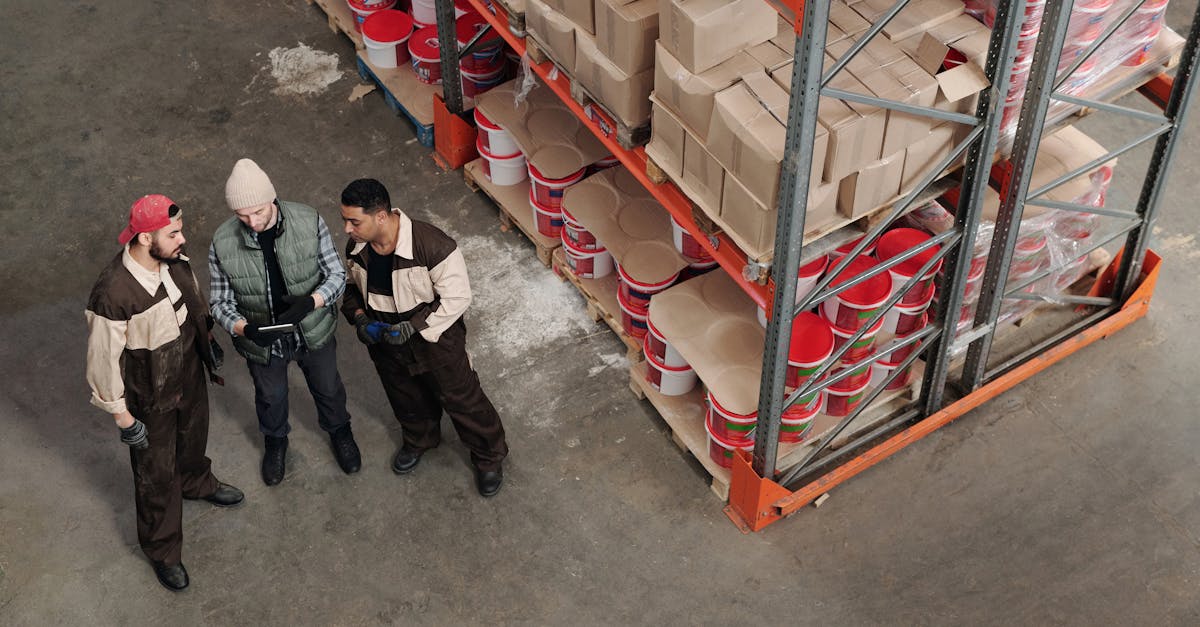
In the 1980s, U.S. government price supports for dairy products kept milk and cheese prices above the market-clearing level. Farmers, responding to the higher price, produced more dairy than consumers bought at that price. The surplus accumulated in government warehouses as the USDA purchased and stored what the market couldn't clear. At one point, the federal government owned enough surplus cheese and butter to fill stadiums. The surplus was entirely a product of the price support — without the floor, prices would have fallen and the market would have cleared.
In plain terms
A surplus (also called an excess supply) occurs when the quantity of a good supplied at the current price exceeds the quantity demanded. At that price, producers want to sell more than buyers want to buy. Unsold inventory accumulates.
In a competitive market without price floors, surpluses are self-correcting. Sellers with excess inventory cut prices to attract buyers. As price falls, quantity demanded rises and quantity supplied falls until they meet again at the equilibrium. The surplus disappears without intervention.
The USDA's commodity program data documents the government's role as buyer of last resort in agricultural surplus markets — purchasing excess production to prevent prices from collapsing below the support level, at direct cost to taxpayers.
Why it works this way
A surplus persists only when price is held above equilibrium — either by a binding price floor, by a cartel maintaining above-market prices, or by miscalculation on the part of sellers who haven't yet adjusted prices. Without a constraint preventing price adjustment, sellers competing for buyers will underbid each other, driving the price down to where the market clears.
This is why surpluses in free, competitive markets are short-lived: the incentive to sell beats the incentive to hold out for a higher price. A retailer with a warehouse of unsold electronics discounts aggressively during clearance events rather than holding indefinitely.
A real example
In labor markets, a surplus of workers (unemployment) is the counterpart to excess inventory. At wages above the market-clearing rate, more people want to work than employers want to hire. The Bureau of Labor Statistics Employment Situation tracks this surplus through unemployment rates — which measure the gap between labor supply and labor demand at current wage levels.
Why it matters
Surpluses signal that price is above equilibrium. They tell producers to lower prices, reduce output, or both. When markets are allowed to adjust, surpluses resolve quickly. When policy prevents adjustment — as with agricultural price supports, currency pegs, or minimum wages set too high — the surplus becomes a persistent feature of the market with ongoing costs that must be managed or absorbed.