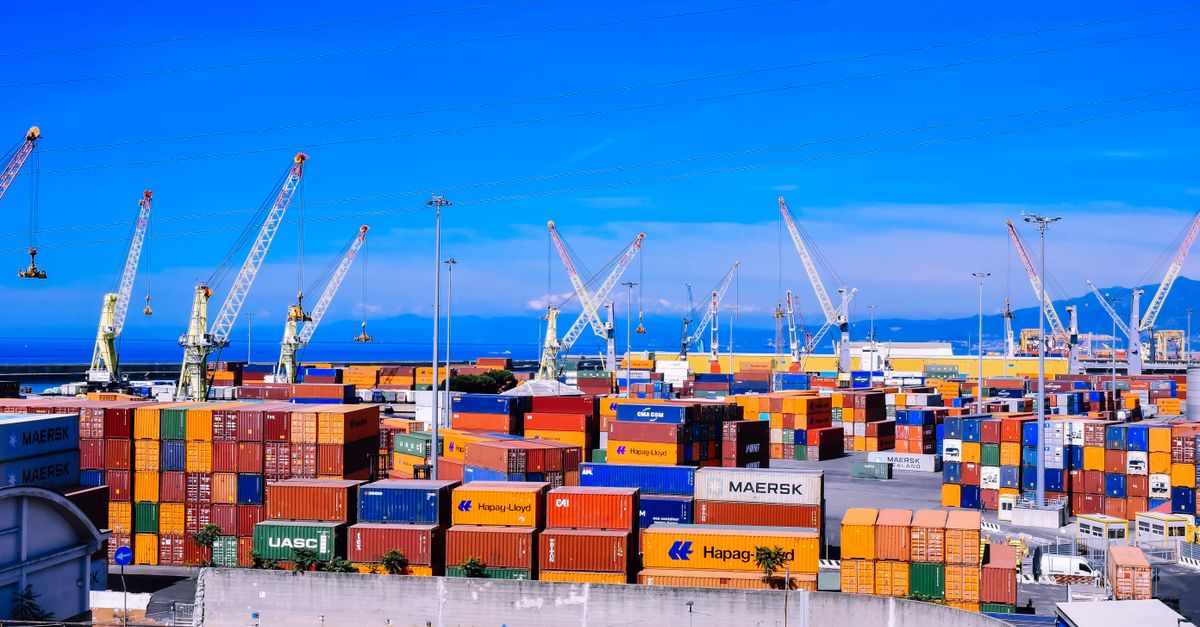

The United States steel industry employs approximately 140,000 workers. The industries that use steel as an input — automotive, construction, energy, manufacturing — employ approximately 6.5 million workers. When the U.S. government imposes tariffs to protect domestic steel producers, those 140,000 workers and their employers gain; the 6.5 million workers in downstream industries, and hundreds of millions of American consumers paying higher prices on goods with steel content, bear the cost. The benefits are concentrated and visible; the costs are dispersed and often invisible. This asymmetry is why trade protection is politically durable and economically questionable — and why it is the canonical example of concentrated-benefit, dispersed-cost public policy.
What it is
Protectionism is the deliberate use of government policy to restrict imports and shield domestic industries from foreign competition. The tools include:
- Tariffs: import taxes that raise the price of foreign goods
- Import quotas: quantity limits on specific imports
- Export subsidies: payments to domestic producers that allow them to undercut foreign competitors in export markets
- Non-tariff barriers: regulatory requirements, standards, customs procedures, and licensing rules that discriminate against imports
- Voluntary export restraints (VERs): agreements by foreign exporters to limit exports — often under pressure, functioning as quotas managed by the exporter
The intended effect
Protectionist policies pursue several goals: Employment protection: preserving jobs in import-competing industries, particularly in geographically concentrated manufacturing communities. Infant industry support: shielding nascent industries from foreign competition while they develop scale and competitiveness — an argument with theoretical validity but frequent abuse in practice. National security: maintaining domestic production capacity in industries deemed essential for defense or resilience (semiconductors, pharmaceuticals, military hardware). Retaliation: imposing barriers in response to trading partners' barriers, as leverage for negotiated reduction.
The USTR's annual National Trade Estimate report catalogs foreign trade barriers the U.S. seeks to remove — the counterpart to the barriers the U.S. itself maintains.
The tradeoff
Protectionism creates four welfare costs:
- Consumer surplus loss: higher import prices reduce consumer purchasing power
- Productive inefficiency: domestic resources shift from comparative advantage industries to protected industries where they are less productive
- Deadweight loss: efficient international transactions are blocked
- Retaliation risk: trade partners respond with their own barriers, reducing export markets
The Congressional Budget Office's analyses of steel and aluminum tariffs estimated net U.S. welfare losses from the 2018 tariffs — consumer and downstream industry costs exceeding the protected producer gains — consistent with standard trade theory predictions.
How it plays out in practice
The political economy of protectionism explains its persistence despite economic costs. The Peterson Institute for International Economics research on trade policy documents the asymmetric political salience: when a steel mill closes, it generates concentrated, visible job losses that generate political pressure. When steel tariffs raise the cost of every appliance, car, and building project, the cost per consumer is small and invisible — diffused across millions of people who don't organize to resist it. The result: concentrated producer interests systematically win trade policy battles against dispersed consumer interests, generating persistent protection even when aggregate welfare losses are large.