The library
414 articles across Financial Literacy and Economic Intelligence — shuffled fresh each visit.

Comparative Advantage: Why Countries Trade Even When One Is Better at Everything
Comparative advantage is the ability to produce a good at a lower opportunity cost than a trading partner.
- Comparative advantage is based on relative opportunity cost, not absolute productivity — a country should specialize in what it gives up least to produce
- Even if one country is more productive in every industry, both countries gain from trade by specializing in their comparative advantage
- Ricardo's principle shows that the basis for trade is not absolute productivity but the opportunity cost of production

Trade Policy, Jobs, and the Political Economy of Protection
If economists agree trade grows the pie, why is protection so popular? Gains are spread thin, losses concentrated — and politics rewards the loud.
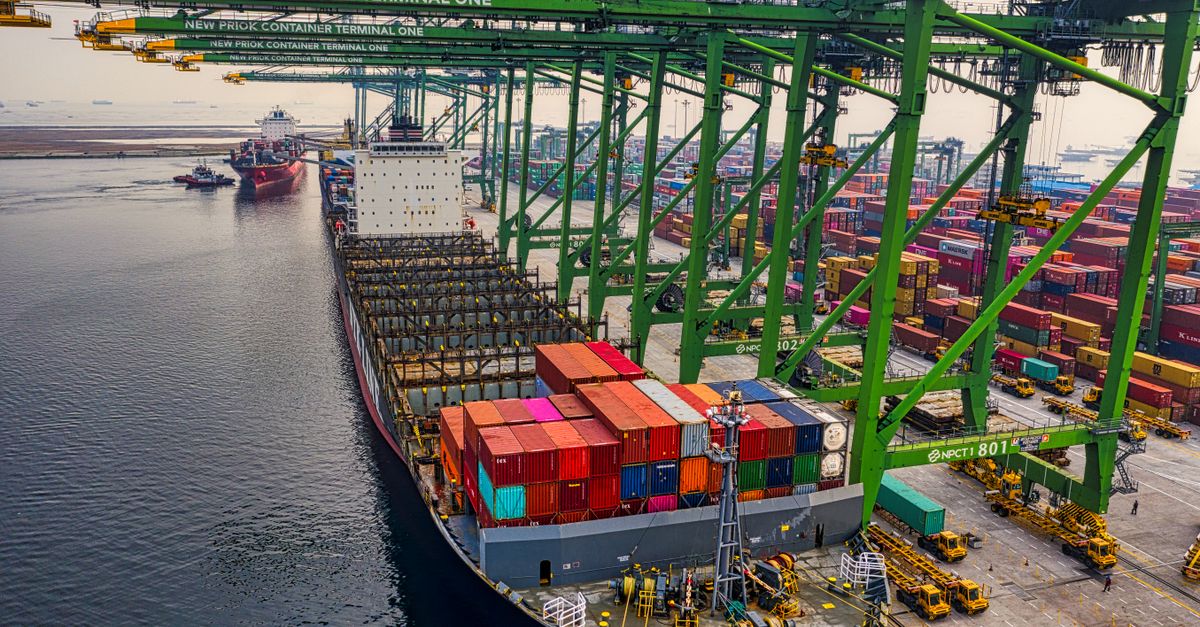
Trade Surplus and Trade Deficit: What They Mean and What They Don't
A trade surplus means a country exports more than it imports; a deficit means it imports more than it exports.

Absolute vs. Comparative Advantage: The Distinction That Explains Trade
Absolute advantage is the ability to produce more of a good with the same inputs. Comparative advantage is the ability to produce at lower opportunity cost.

Tariffs: Winners, Losers, and the Deadweight Loss Nobody Talks About
A tariff helps domestic producers and the Treasury, but it costs consumers more than both gain combined. The gap is deadweight loss — pure value destroyed.

Comparative Advantage: The Principle Behind Every Trade Relationship on Earth
Comparative advantage explains why two parties gain from trade even when one is better at everything. The math is opportunity cost, at every scale.

Dumping: When Exporters Price Below Cost to Capture Markets
Dumping occurs when a foreign producer sells goods in an export market at prices below cost or below the home market price.

Trade Doesn't Cost Jobs — It Moves Them. Here's the Evidence.
The idea that imports destroy jobs and trade is zero-sum is intuitive, persistent, and wrong in the aggregate — but the real story is more honest than either…

Tariff: The Tax That Makes Imports More Expensive
A tariff is a tax on imported goods. It raises import prices, protects domestic producers, generates government revenue — and reduces total welfare by…

Inside Non-Tariff Barriers: Quotas, Standards, and the Hidden Costs of Trade Protection
Tariffs are visible taxes. Quotas, standards, and red tape are quieter — and often costlier, handing the markup to foreigners instead of your treasury.

Import Quota: The Quantity Limit on Foreign Goods
An import quota is a legal limit on the quantity of a foreign good that can be imported. Like a tariff, it raises domestic prices and protects domestic…

Gains from Trade: Why Exchange Makes Everyone Richer
Gains from trade are the increases in total production and consumption that occur when countries specialize according to comparative advantage and exchange…
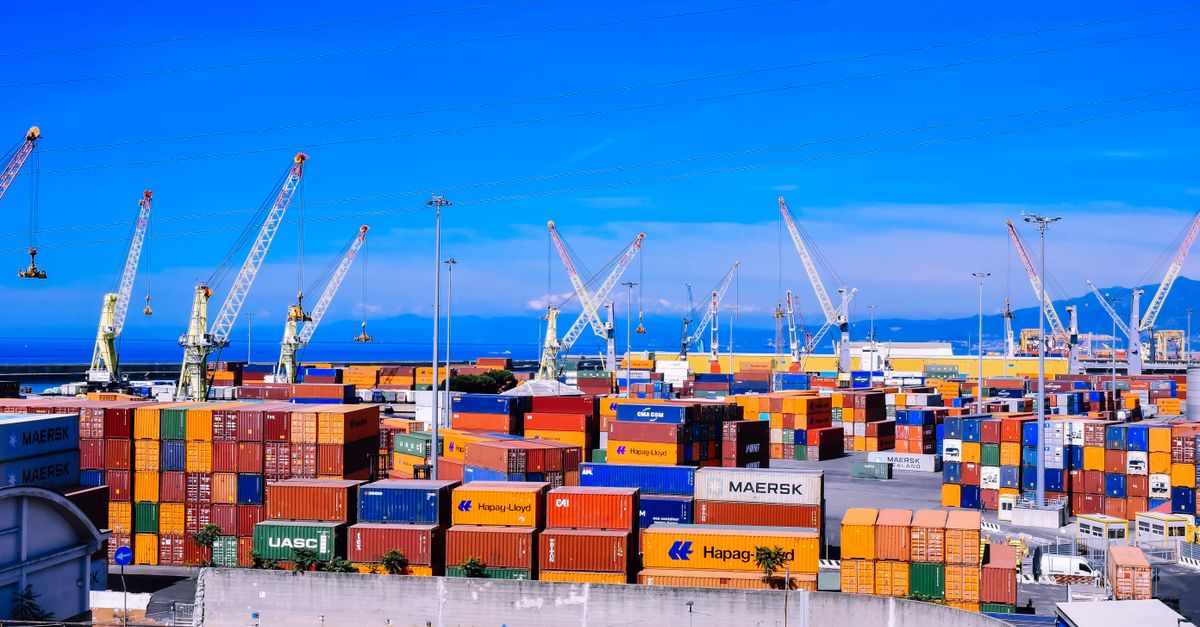
Protectionism: Shielding Domestic Industries from Foreign Competition
Protectionism is the use of trade barriers — tariffs, quotas, subsidies, and regulations — to shield domestic industries from foreign competition.

Terms of Trade: The Exchange Rate Between Exports and Imports
Terms of trade is the ratio of export prices to import prices. When it rises, a country can buy more imports per unit of exports — a welfare gain.